How is Multifamily Different than Student Housing?
By and large, multi-unit properties are very similar in structure. However, there are fundamental operational and demographic elements that make managing market-rate apartments significantly different from managing student residences - in particular, the fast summer turnover. Understanding these distinctions is crucial for property success and profitability.
1. The Annual Rush: Speedy Turnaround TimesThe most intense operational difference is the lease cycle and the subsequent turnover.
- Standard Multifamily: Turnover is staggered throughout the year as leases expire on their own schedule. This allows maintenance teams to handle vacancies, unit turns, and upgrades in a more flexible, predictable manner.
- Student Housing: Operations are dictated by the academic calendar. This means much of the property turns over in a single, hyper-condensed window - sometimes 1 to 3 weeks between the end of the spring/summer lease term and the start of the fall semester in August.
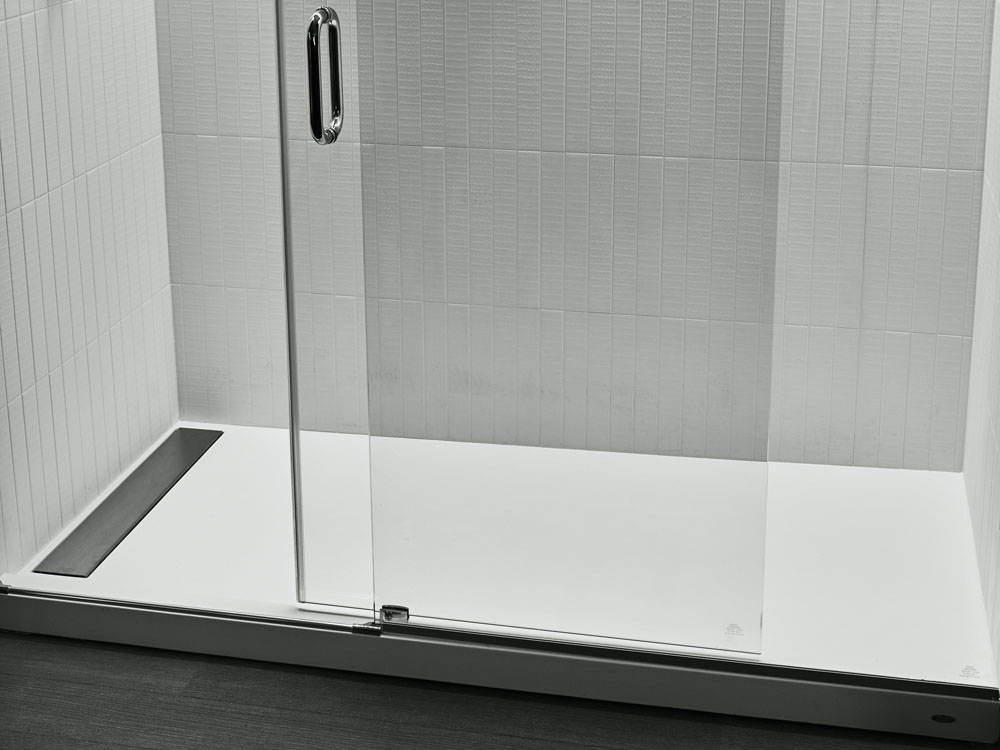
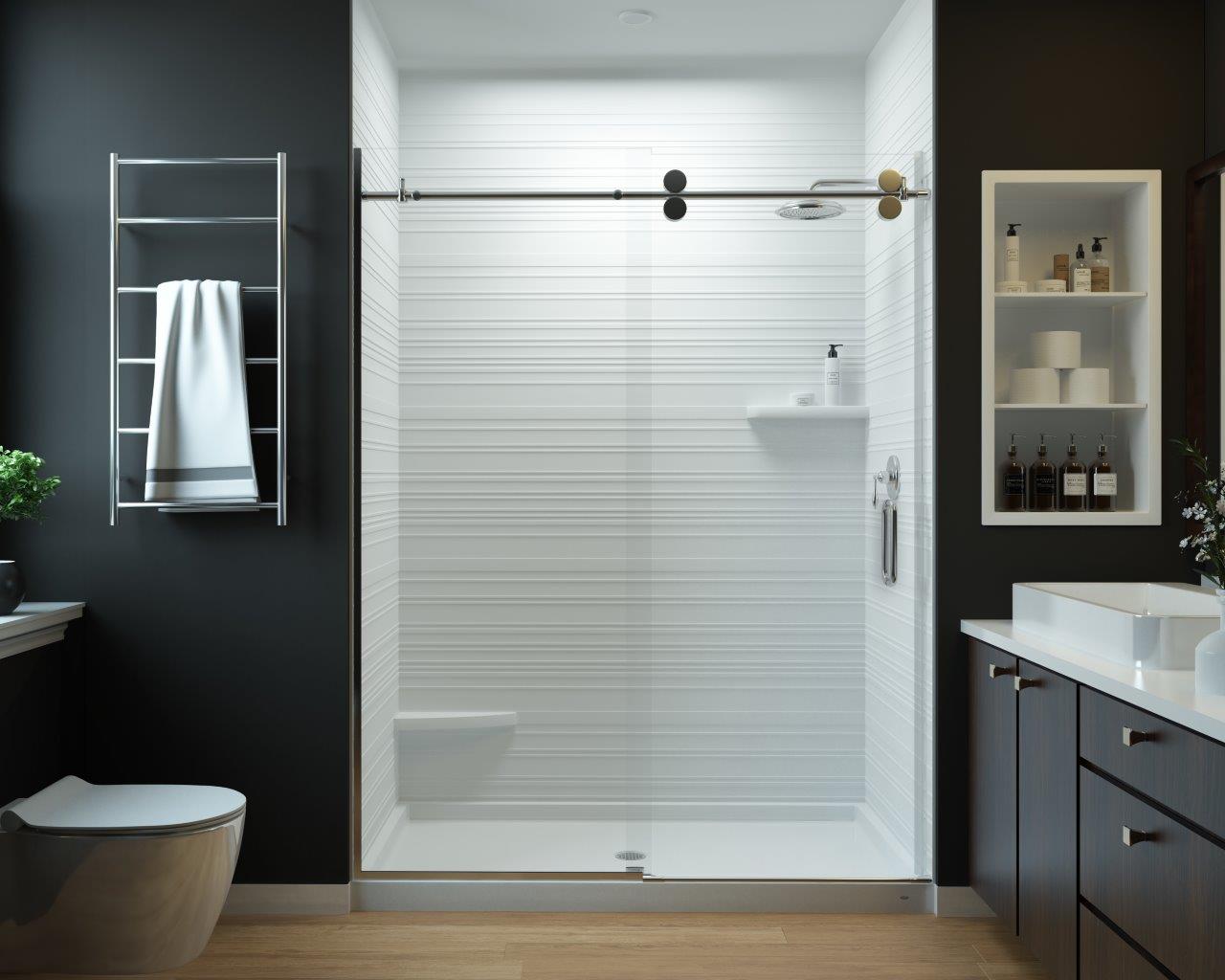
Operational Impact: With only a couple of weeks to clean, paint, repair, and replace hundreds of units, efficiency is paramount. Teams do not have time for high-labor tasks like regrouting showers. This reinforces the need for low-maintenance, durable materials like cultured marble showers, which are non-porous, grout-free, and virtually zero-maintenance, eliminating the need for costly regrouting or complex restoration.
2. Different Demographics, Different Needs
The tenant base dictates nearly every facet of management, from marketing to maintenance.
- Standard Multifamily: Tenants are often singles, couples, or families with established income, credit, and rental histories. Lease negotiations are direct.
- Student Housing: Tenants are typically young adults, often first-time renters.
- Guarantors: Management must process a high volume of parental/guardian guarantors, adding complexity to the application process.
- High Wear-and-Tear: Due to inexperience and lifestyle, student units typically experience higher rates of property damage and neglect.
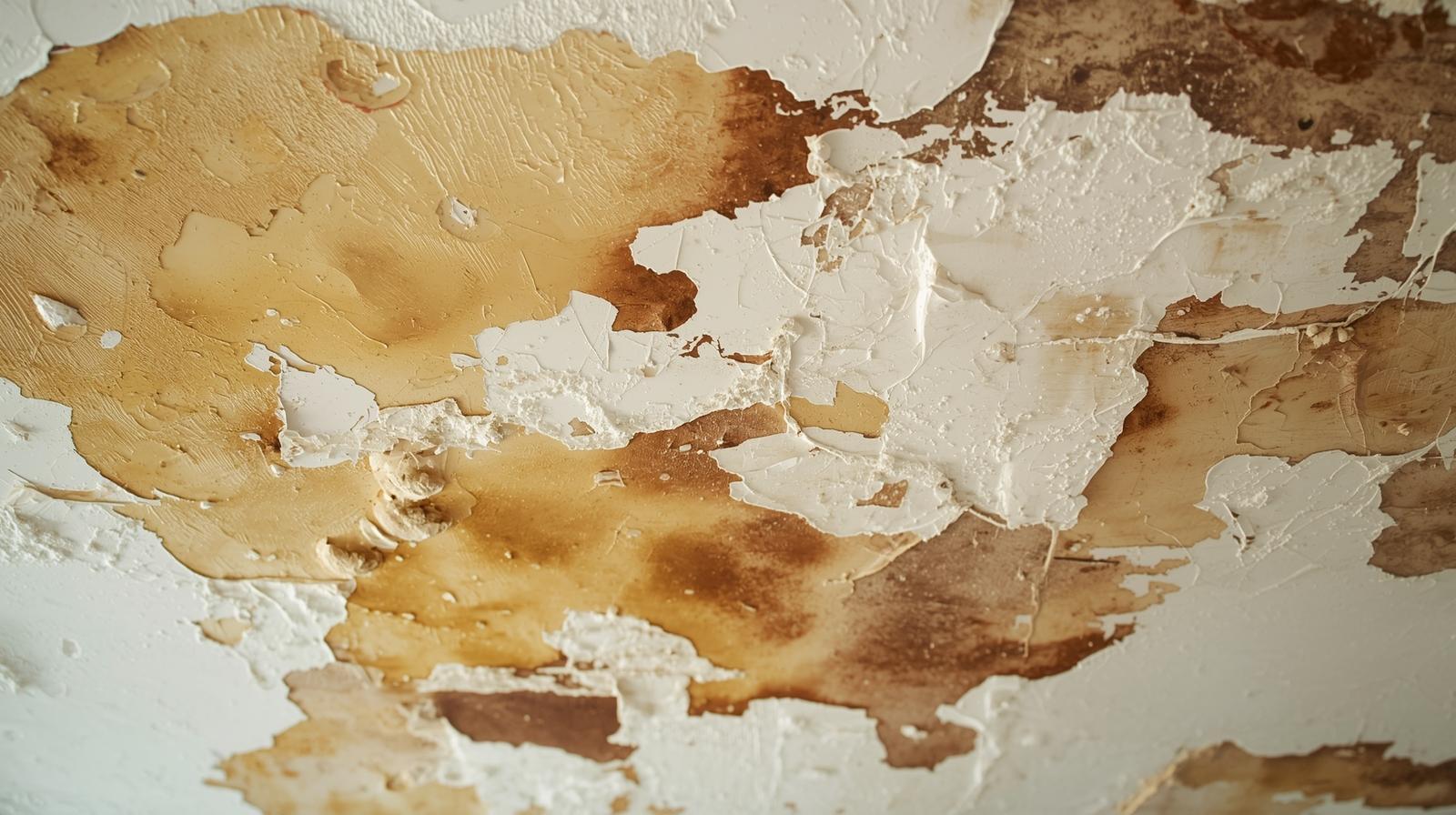
Maintenance Impact: Because university students may neglect routine cleaning, surfaces are more likely to harbor mold and mildew. Creating a bathroom that is easy to clean for this younger demographic—with non-porous, groutless materials—is essential to reduce labor time and costs between tenants. The less need for intense scrubbing, the better the unit will look at move-out.
3. Higher Unit Density and Bathroom Count
While both property types offer multi-bedroom units, the floor plans are fundamentally different.
- Standard Multifamily: Typical floor plans are 1 bed/1bath, 2 beds/1 bath, or 3 beds/2 baths.
- Student Housing: Floor plans are set up for maximum occupancy and privacy, commonly featuring bed-bath parity (e.g., a 4-bedroom unit has 4 private bathrooms).
Maintenance Impact: This translates into a significantly greater volume of high-maintenance assets (showers, toilets, sinks) for your team to install, clean, and maintain per unit. Every time you eliminate a high-labor task (like grout maintenance) on one shower, you multiply that time savings across dozens or hundreds of extra bathrooms.
4. Financial Structures and Amenity Focus
The pricing model and amenity strategy differ based on the target audience.
- Standard Multifamily: Rent is usually for the entire unit. Amenities focus on lifestyle, convenience, and community (e.g., pools, dog parks, in-unit laundry).
- Student Housing: Rent is typically leased by the bedroom. Amenities focus heavily on academic success and social interaction. Think dedicated study rooms, high-speed Wi-Fi, computer labs, printing, and social lounges. The rent often includes utilities, internet, and sometimes furniture.
Marketing Impact: Student housing marketing is cyclical and often aggressive, competing fiercely for a short-term pool of incoming freshmen and returning students. Marketing teams must focus heavily on the value of the all-inclusive package and its proximity to campus.
Market-Rate Multifamily vs. Student Housing: Key Operational Differences
| Standard Multifamily (Market-Rate) | Student Housing | Operational / Maintenance Impact | |
| Lease Cycle & Turnover | Staggered: Leases expire throughout the year on varying schedules. | Cyclical: Dictated by the academic calendar. High volume turnover in a single, condensed window (1–3 weeks in August). | Student housing requires "Blitz" Operations. Teams have zero buffer time for repairs, making durable, low-labor materials (like grout-free showers) critical to meeting move-in deadlines. |
| Tenant Demographic | Established: Singles, couples, or families with income/credit history. | Inexperienced: Young adults/first-time renters. Relies heavily on parental guarantors. | Higher administrative load and wear-and-tear in Student Housing. Inexperienced renters are harder on units, increasing the need for damage-resistant interiors. |
| Maintenance Needs | Moderate: Routine maintenance handled flexibly throughout the year. | High Intensity: Prone to neglect (mold/mildew) and higher damage rates. | Cleaning efficiency is paramount. Student units need non-porous surfaces to resist mold and reduce the labor required for deep cleaning during the short turnover window. |
| Unit Density | Standard Ratios: 1bed/1bath, 2bed/1bath, or 3bed/2bath. | Bed-Bath Parity: High density, often 4bed/4bath per unit to ensure privacy. | Exponentially more wet areas to maintain. Student housing has a significantly higher volume of toilets, sinks, and showers per square foot, multiplying the maintenance workload. |
| Financial Structure | Unit-Based: Rent covers the entire apartment. | By-The-Bed: Rent is per bedroom. Often all-inclusive (utilities, internet, furniture). | Marketing must be aggressive and cyclical. Student housing revenue depends on securing leases during specific academic windows, often highlighting "all-inclusive" value. |
Managing student housing demands speed and durability. Unlike standard apartments, student units require high-efficiency operations to handle the massive annual turnover driven by the academic calendar. Success means prioritizing low-maintenance solutions, like grout-free showers, to cut labor costs and maximize profit in this fast-paced, high-wear environment.